If you live in hurricane country, you have probably seen the ads: sleek “hurricane screens,” “fabric storm protection,” or “Kevlar screens” that promise serious protection without the bulk of metal shutters.
Here’s the reality. Fabric and Kevlar-style screens can help with some flying debris scenarios, but they are not the same thing as a steel shutter system that physically blocks the opening. When the wind gets nasty and debris starts moving like missiles, “mostly protected” is not the vibe you want for your windows and doors.
Let’s break down what hurricane screens do well, where they fall short, and why steel hurricane shutters like storm panels, accordion shutters, and roll-down shutters are still the gold standard for real storm protection.
The job of storm protection is simple
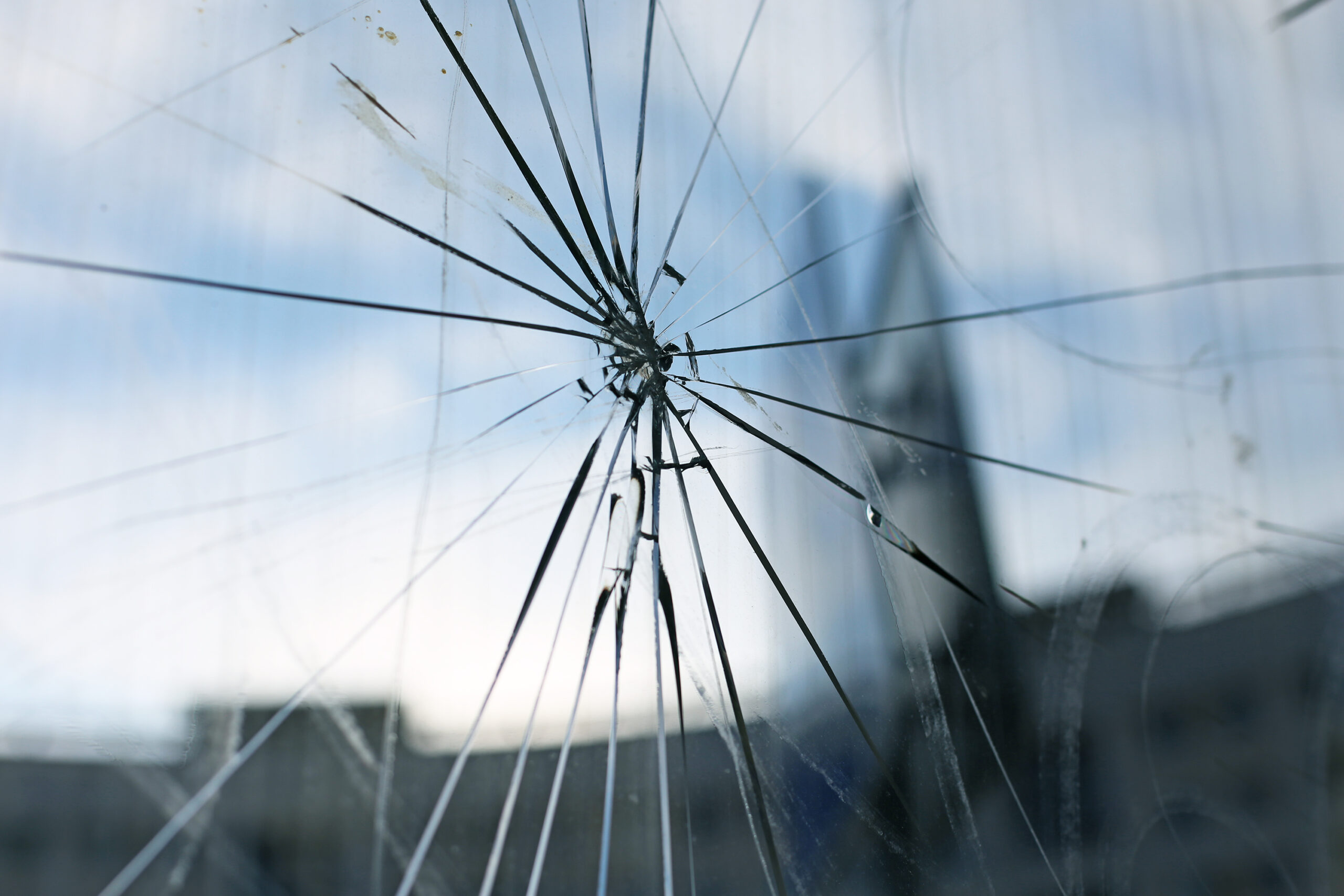
Your windows and doors are part of your home’s “building envelope.” If an opening fails, pressure changes inside the home can increase damage risk fast, including roof and structural issues. One of the main goals of shutters is preventing window breakage from wind-driven debris.
That means the best protection is the protection that:
- Stops impacts
- Stays anchored when the wind is trying to rip everything off your house
- Keeps the opening covered with minimal flexing
- Buys you time if conditions worsen
What hurricane screens are, and what they actually do
Hurricane screens are typically a fabric system (some marketed as “Kevlar”) that gets tensioned over an opening. The idea is that the fabric catches debris and reduces the chance of glass shattering.
They can be appealing because they are:
- Lighter than metal panels
- Easier to store than stacks of steel
- Often faster to deploy than panels (depending on the system)
But here’s the tradeoff: screens are a “catching” system, not a “blocking” system.
The big problem: flex
When debris hits a screen, the screen can bow inward. That matters because:
- The screen can press into the glass or frame behind it
- Even if the fabric survives, the window can still crack or fail from the force transfer
- Hardware and anchors take a beating from repeated impacts and vibration
Steel shutters are rigid. They resist penetration and reduce deflection. That difference is everything when the storm gets serious.
Water intrusion is still a thing
Screens are not a waterproof barrier. Wind-driven rain can still hammer the window, frame, and seals. If you have older windows, worn seals, or any weak spots, that water can find a way in.
A steel shutter system does not magically make your house waterproof, but a rigid cover over the opening usually does a better job reducing direct wind pressure and debris-driven damage at the window itself.
False confidence on large openings
Screens can be especially questionable on wide spans like lanais, sliders, and big picture windows. The larger the opening, the more room there is for movement and bowing, and the more force the anchors have to handle.
Steel systems for large openings are designed specifically to cover wide spans securely, with tracks and structural attachment points that are built for that job.
Repairs and replacement can be expensive
Fabric systems can degrade over time from UV exposure, salt air, abrasion, and general Florida chaos. If the fabric gets damaged, you are often replacing the fabric, hardware, or both.
Steel shutters can also need maintenance, but they tend to be more forgiving long-term, especially if you keep up with basic care.
Price surprise: screens are not always cheaper
A lot of homeowners assume screens equal “budget option.” In the real world, many Kevlar-style screen systems can price out close to steel shutters, and sometimes even higher, depending on the opening sizes and the hardware.
If you are paying “real shutter money,” you should be getting real shutter performance.
Why steel hurricane shutters still win
Steel shutters are about one thing: creating a physical barrier that is hard to breach, hard to deform, and anchored to the structure.
There are three steel-based options that cover almost every home layout.
Steel storm panels: the tough, practical workhorse
Storm panels are one of the most common hurricane protection choices for a reason. They are strong, cost-effective, and reliable when installed correctly.
Why homeowners like them:
- Excellent impact resistance
- Great option for mixed window sizes
- Often one of the best values for true protection
Things to know:
- You need storage space
- Deployment takes more time than permanent systems
- They are only as good as the hardware and installation
If you want serious protection without jumping to a higher price tier, steel storm panels are hard to beat.
Accordion shutters: fast protection you can close in minutes
Accordion shutters are permanently installed on the sides of openings and slide closed when a storm is coming. They are popular because they are quick to deploy and require no seasonal storage.
Why they are a strong choice:
- Fast and simple to close
- Great for frequent storms or second homes
- Works well on windows, doors, and some larger openings
Things to know:
- You want quality tracks and a clean install
- Routine cleaning and lubrication matter in salty, sandy climates
If you want something you can secure quickly without hauling panels out of the garage, accordions are a great step up.
Roll-down shutters: the “lock it down” option
Roll-down shutters (also called roll shutters or roll-downs) deploy from a housing and run in side tracks. They are one of the most robust and convenient options, especially for large openings.
Why homeowners love them:
- Very strong protection with excellent coverage
- Great for sliders, lanais, and wide openings
- Convenient for everyday use, too
Bonus: roll-down shutters can also help with privacy and can reduce sun and heat gain when used regularly.
Things to know:
- Higher upfront cost than panels
- Motorized options need a manual override plan for power outages
If you want the most “easy button” protection with serious performance, roll-downs are usually the top-tier choice.
Side-by-side: screens vs steel shutters
Here’s the blunt comparison.
Impact protection
- Hurricane screens: Designed to catch debris, but can flex significantly.
- Steel shutters: Designed to block impacts with minimal deflection.
Reliability in extreme conditions
- Hurricane screens: Performance depends heavily on tension, anchors, and span size.
- Steel shutters: Rigid systems with proven track and fastening methods.
Water and opening protection
- Hurricane screens: Can reduce some debris risk, but do not seal the opening.
- Steel shutters: Better physical coverage that helps protect the window system behind it.
Long-term value
- Hurricane screens: Fabric can degrade and may need replacement.
- Steel shutters: Durable, serviceable, and often longer-lasting with basic maintenance.
Cost
- Hurricane screens: Not always cheaper, sometimes comparable to steel.
- Steel shutters: Clear pricing tiers with strong performance per dollar, especially storm panels.
So, who should even consider hurricane screens?
Screens can make sense if:
- You already have impact-rated windows and you want an added layer
- Your main goal is debris “mitigation” rather than maximum protection
- You understand the limitations and are not treating them like a steel shutter replacement
But if you have standard windows, big openings, or you want the best chance of keeping your home sealed up when the storm is at its worst, steel shutters are the smarter move.
The bottom line
Hurricane screens are better than doing nothing, but they are not the same as a steel barrier over your windows and doors. When it is your roof, your belongings, and your family on the line, you want protection that blocks, not just catches.
Steel hurricane shutters like storm panels, accordion shutters, and roll-down shutters exist for one reason: they work when the weather stops playing nice.
If you are comparing options and want real guidance based on your home’s openings, layout, and budget, Shutters 9-1-1 can help you choose a system that fits your property and your risk level.