
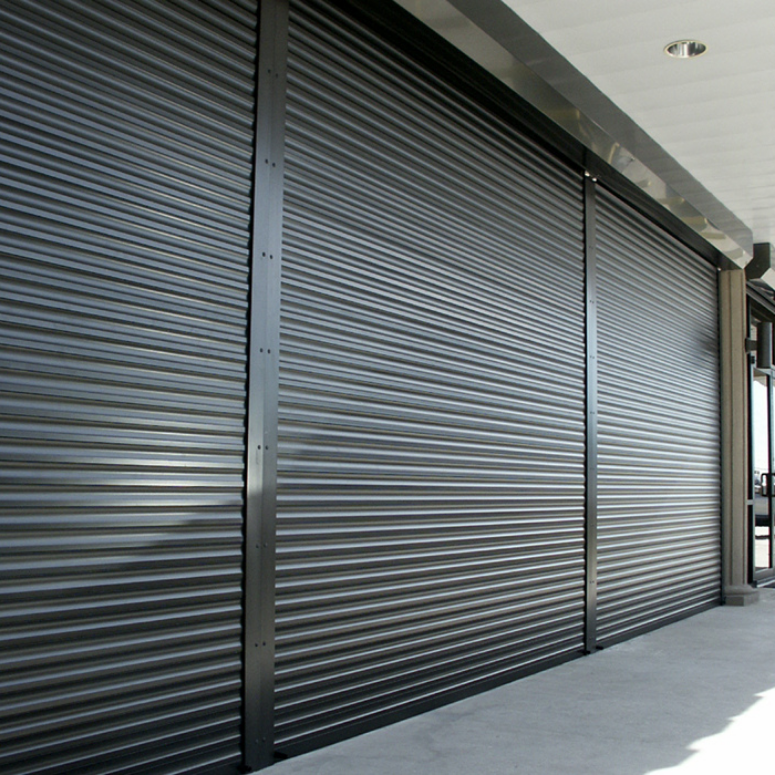
When hurricane season rolls in, homeowners face a critical decision about how to protect their properties. Two popular options are steel hurricane shutters and fabric screens. On the surface, both are marketed as storm protection solutions, but when you dig into the realities of high winds, flying debris, and structural integrity during a real hurricane, steel shutters pull decisively ahead. In this blog, we’ll break down exactly why steel is the stronger choice in every key category.
Wind Pressure: Steel Stands Strong
One of the biggest forces in a hurricane is wind pressure. As wind speeds exceed 100 mph, the pressure exerted on exterior surfaces becomes immense.
- Steel shutters are engineered to meet or exceed stringent building code standards, such as Miami-Dade County Product Approval tests for wind loads and impact resistance. This means they can withstand sustained hurricane-force winds without deforming or failing.
- Fabric screens may block sun and insects in calm weather, but they are not designed to resist the enormous suction and pressure fluctuations that occur in a major storm. Under intense wind loads, fabric can stretch, tear, or detach from its mounting points, leaving openings where wind and water can enter.
Real World Result: Steel effectively holds up against extreme wind pressure, protecting your home’s envelope. Fabric screens simply aren’t built for those forces.
Flying Debris: Steel Stops It, Fabric Doesn’t
Flying debris is one of the biggest dangers during a hurricane. At high speeds, debris like tree limbs, roofing materials, and outdoor furniture become lethal projectiles.
- Steel hurricane shutters are tested to resist direct impacts from debris at high velocity. The rigid metal surface can stop or deflect objects that would otherwise break windows or damage walls.
- Fabric screens offer minimal resistance. With enough force, debris cuts through or tears the fabric, gaining entry to glass surfaces behind it. Once the screen has failed, the underlying window is completely exposed.
This is not hypothetical. Impact tests—like those in coastal building codes—show that hard barriers are the only effective way to shield vulnerable openings from flying objects.
Structural Integrity: How Materials Compare
A hurricane is more than just wind. It’s a dynamic combination of forces that challenge every element of your home’s exterior.
- Steel shutters attach firmly to the structure, providing a rigid, continuous barrier. Their integrity comes from both the material’s inherent strength and the secure way they engage with your home’s framing.
- Fabric screens rely on tension and light anchoring systems. When hurricane winds hit, those anchoring systems are often the first to fail. Loose or flapping screens can create noise, distractions, and even additional wear points on your home.
In a worst-case scenario, a failed protection system can do more harm than none at all—by giving homeowners a false sense of security.
Real-World Storm Conditions
It’s one thing to talk about ratings on paper. It’s another to perform in the chaotic environment of a real hurricane.
Here’s how the two options behave when it matters:
- Rain, wind, and airborne debris combine to create conditions that exceed 100 mph in gusts with rapid shifts in pressure. Steel shutters hold their shape and position, maintaining a protective barrier over doors and windows.
- Fabric screens are designed for shade and light weather protection—not extreme conditions. They sag, flap, tear, and ultimately fail under combined wind and rain loads.
Insurance claims and post-storm assessments consistently show that rigid protection systems like steel shutters result in fewer window breaches and lower repair costs compared with fabric solutions.
Final Verdict: Steel Shutters Win
While fabric screens might be economical and perfectly adequate for everyday use or mild storms, they are not engineered for hurricane conditions. When you’re facing the full force of a major storm—high wind pressures, flying debris, and structural stress—steel hurricane shutters provide the superior protection your home needs.
If you’re in a hurricane-prone area, your storm preparation plan should include solutions proven to meet demanding wind and impact standards. When the stakes are high, choose protection that’s been tested in conditions that simulate what nature can throw at you.